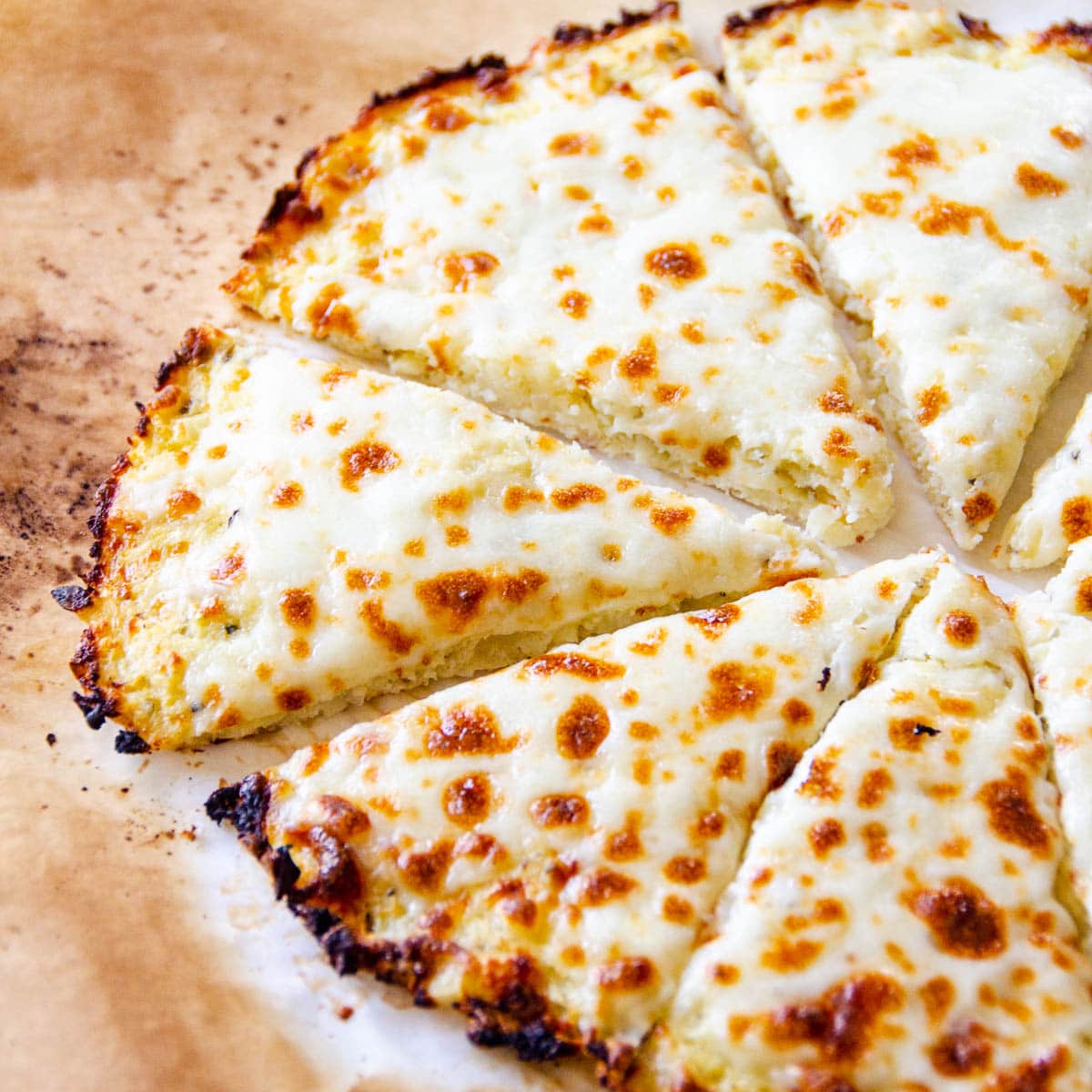
Unlocking the Perfect Crunch: The Squeezing Secret Behind Your Best Cauliflower Pizza Crust
Picture this: a bustling Italian eatery, the aroma of garlic and oregano filling the air, and a revelation on your plate. For many, that revelation isn't a traditional Neapolitan pie, but rather their first taste of a truly exceptional cauliflower crust pizza. It's a moment that transforms skepticism into pure delight – the subtle, nutty flavor of cauliflower mingling with a satisfying, almost impossible crispness. This isn't just a trend; it's a culinary game-changer that opens doors to lighter, healthier, and equally delicious pizza nights without compromise.
For years, the idea of a vegetable masquerading as a carb-heavy pizza base was met with apprehension, often leading to disappointing, soggy results. But what if we told you the secret to a consistently crispy, perfectly holdable cauliflower crust pizza lies in a single, often overlooked technique? It's all about the squeeze, and mastering it will elevate your homemade pizza game to legendary status.
Why Cauliflower Crust Pizza is a Modern Culinary Marvel
In an age where health and flavor often seem at odds, the cauliflower crust pizza emerges as a true hero. This humble vegetable offers a fantastic alternative for anyone looking to enjoy their favorite comfort food without the guilt. But the benefits extend far beyond just feeling "lighter":
- Keto and Low-Carb Friendly: For those following ketogenic or low-carb diets, cauliflower provides an excellent foundation, allowing you to enjoy pizza night without derailing your nutritional goals. It's truly a healthy cauliflower pizza for weight loss that doesn't feel like a sacrifice. You can Unlock Healthy Pizza Night with The Ultimate Keto Cauliflower Crust Guide, exploring all the possibilities.
- Gluten-Free and Grain-Free: Naturally free from gluten and grains, cauliflower crust is a fantastic option for individuals with sensitivities or celiac disease, ensuring everyone can partake in the joy of pizza.
- Nutrient-Rich: Cauliflower is packed with vitamins C and K, folate, and fiber, adding a nutritional punch that traditional flour crusts simply can't match. You're not just eating pizza; you're nourishing your body.
- Delicious and Versatile: Don't let the "vegetable" part fool you. When prepared correctly, the cauliflower base offers a mild, slightly nutty flavor that complements a wide array of toppings, allowing the true essence of your pizza to shine.
It's this blend of health benefits and undeniable deliciousness that makes a well-made cauliflower crust pizza a staple in countless homes.
The Foundation: Prepping Your Cauliflower for Success
Before we get to the star technique, laying the groundwork is crucial. Your journey to an amazing cauliflower crust pizza begins with selecting the right ingredients and proper initial preparation:
Choosing Your Cauliflower
Start with a large head of fresh cauliflower. Look for florets that are tight, dense, and uniformly white, free from any brown spots or discoloration. This vibrant, fresh base is key to both flavor and texture.
Ricing the Cauliflower
The first step in transforming your cauliflower is to "rice" it. Cut your cauliflower into small florets, then place them in a food processor. Pulse the florets until they resemble small grains of rice. The key here is precision: do not over-process! You're aiming for a granular texture, not a watery puree. Over-processing will release too much moisture too soon, making the squeezing process more challenging and potentially leading to a less stable crust.
Using the raw method for ricing, rather than steaming first, is a game-changer. It's much faster, preserves more of the cauliflower's valuable nutrients, and saves you an extra dirty pot. You'll typically need about 2-3 cups of riced cauliflower for a standard 12-inch crust.
The Squeezing Secret: Your Path to Perfect Crispness
This is it. This is the moment where good cauliflower crust pizza turns into *great* cauliflower crust pizza. The single most critical step in achieving a crispy cauliflower crust without flour, one that you can actually hold in your hand, is mastering the art of moisture removal. If you skip this, your crust will be soggy. We've all been there, and it's a disappointment no one wants.
Why Squeezing is Non-Negotiable
Cauliflower is naturally high in water content. If that water remains in your dough, it will turn into steam during baking, making your crust soft, rubbery, and prone to falling apart. Removing this excess moisture concentrates the cauliflower, allowing it to bind more effectively with the other ingredients and crisp up beautifully in the oven.
Tools for the Job
You'll need a reliable tool for this intense moisture extraction:
- Clean Kitchen Towel: A sturdy, lint-free kitchen towel is the most common and effective tool. Make sure it's clean and doesn't have any fabric softener residue that could transfer to your cauliflower.
- Nut Milk Bag: For those who make homemade nut milk, a nut milk bag works exceptionally well due to its fine mesh and durable construction.
The Squeeze Technique: Detailed Steps
- Load Up: Place your measured riced cauliflower into the center of your clean kitchen towel or nut milk bag.
- Gather and Twist: Gather the edges of the towel, twisting them firmly to create a ball of cauliflower inside.
- Apply Pressure (and lots of it!): Position the twisted ball over a sink or a large bowl. Now, you need to put in some serious muscle! Twist and squeeze as hard as you possibly can. You will be genuinely shocked at the sheer volume of water that streams out of that seemingly dry vegetable.
- Keep Squeezing: Continue this vigorous squeezing until virtually no more water drips out. The cauliflower should feel significantly drier, almost like a compact, dry ball of dough. This process might take a few minutes, so don't rush it. It's truly the key to preventing a soggy crust and ensuring your How to Master Crispy Cauliflower Pizza Crust: No More Soggy Bases.
This moisture control is the fundamental secret to a healthy cauliflower pizza that actually stays firm and achieves that desirable crunch. Think of it as building the ultimate foundation for your pizza masterpiece.
Crafting Your Dough and Baking to Perfection
Once your cauliflower is perfectly dry, the rest is straightforward:
Mixing the Dough
In a large bowl, combine your dried riced cauliflower with your binding agents: shredded mozzarella cheese and a fresh egg. The cheese melts and helps hold everything together, while the egg acts as the crucial "glue." Now's the time to add your classic Italian sass with a dash of dried oregano and garlic powder, ensuring every bite is infused with flavor. Mix everything together thoroughly until a pliable, cohesive dough forms. It should be easy to work with and hold its shape.
Forming and Baking the Crust
- Preheat: Preheat your oven to a hot temperature, typically around 400-425°F (200-220°C).
- Shape: Place your dough ball on a sheet of parchment paper. Using your hands or a rolling pin, press and spread the dough into your desired pizza shape (usually a 10-12 inch circle) and thickness. Aim for an even thickness, especially around the edges, for consistent baking.
- Pre-Bake: Slide the parchment paper with your crust onto a preheated pizza stone or baking sheet. Bake for about 15-20 minutes, or until the crust is golden brown and firm.
- Flip (Optional for Extra Crunch): For an extra-crispy crust on both sides, carefully flip the crust over (this is easier if it's firm enough) and bake for another 5-10 minutes.
- Top and Finish: Remove the pre-baked crust, add your favorite toppings, and return it to the oven for another 10-15 minutes, or until the cheese is bubbly and the toppings are cooked through.
Allowing the finished cauliflower crust pizza to cool for a few minutes before slicing helps it firm up even more, making for cleaner cuts and a more stable slice.
Conclusion: Embrace the Cauliflower Revolution
From skeptical beginnings to a culinary revelation, the journey of the cauliflower crust pizza is one of innovation and delicious discovery. It's more than just a healthier alternative; it's a testament to how simple techniques can transform humble ingredients into extraordinary meals. By embracing the critical "squeezing secret," you're not just making a pizza; you're crafting a crispy, flavorful, and guilt-free experience that will redefine your pizza nights forever. So, grab your cauliflower, prepare for a workout, and get ready to enjoy a pizza that truly delivers on taste and texture.
